Water and Watershed Protection

New Mexicans enjoy iconic rivers and aquatic playgrounds at our many beautiful lakes and reservoirs. Yet, many of our precious surface waterbodies, forested watersheds, and groundwater resources are polluted or at risk of degradation due to human activity, natural disasters, extreme weather, and other threats. As we face realities of diminishing freshwater supplies in the coming decades, we are reminded that every drop counts. That means we have a responsibility to keep healthy water from becoming polluted.

The priority actions set forth in this section highlight four key areas of increased focus that will ensure we are working toward access to clean water for all our communities and prevent certain sources of freshwater from becoming polluted or degraded sacrifice zones. Future generations of New Mexicans and our vibrant agricultural and outdoor recreation sectors depend on New Mexico to protect and restore water quality. As drought intensifies and new water pollutants emerge, we must simultaneously cleanup legacy waste and put strong programs in place to protect healthy watersheds and pristine aquifers through pollution prevention, forestland restoration, and fixing aging infrastructure.


Recent Highlights

C1: Watch The Kickoff of the New Mexico Uranium Mine Cleanup Program at Schmitt Decline Mine
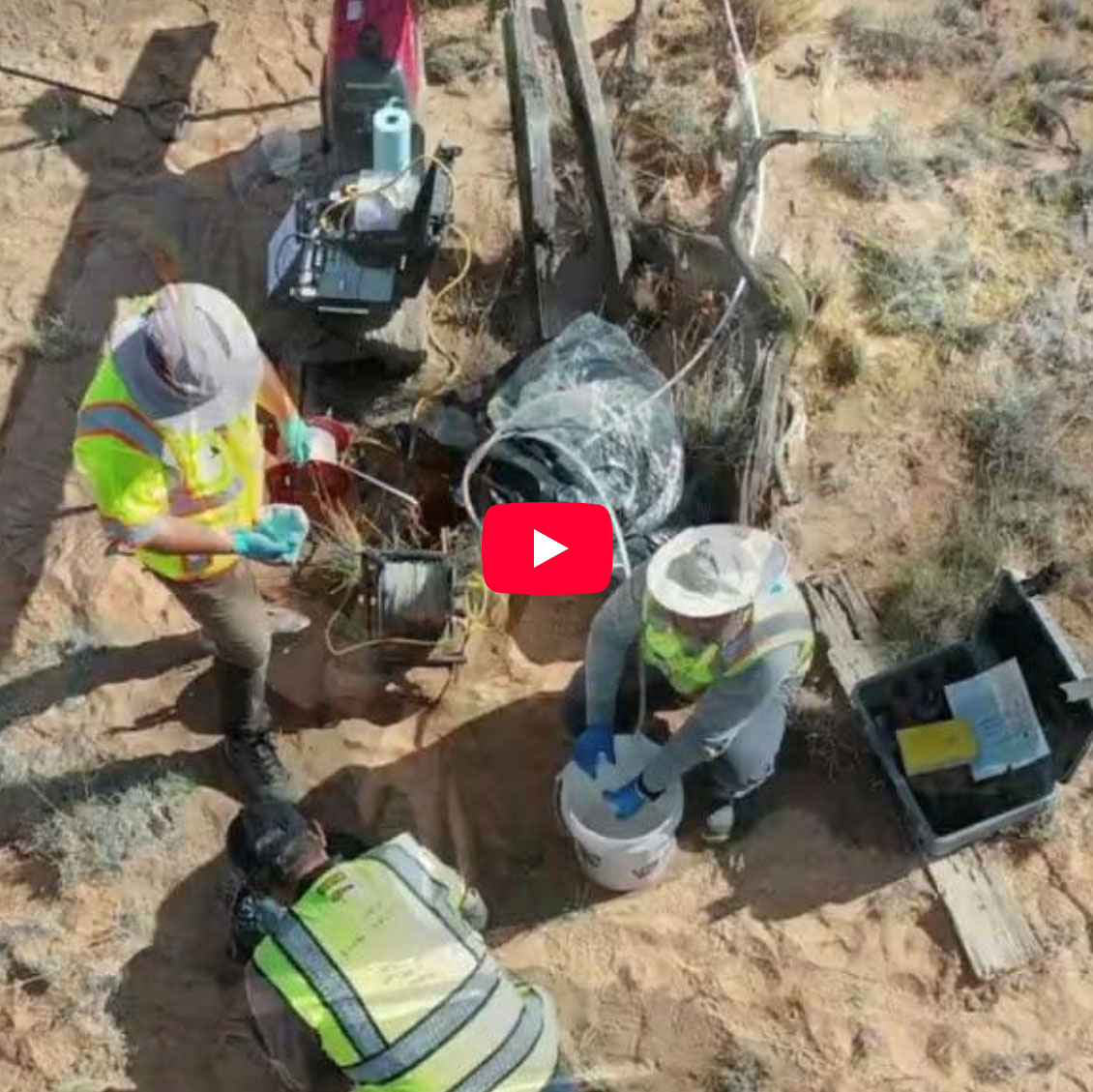
Watch the Video

C2: New Mexico Featured in High Country News Article, “Western states step up to save their wetlands”
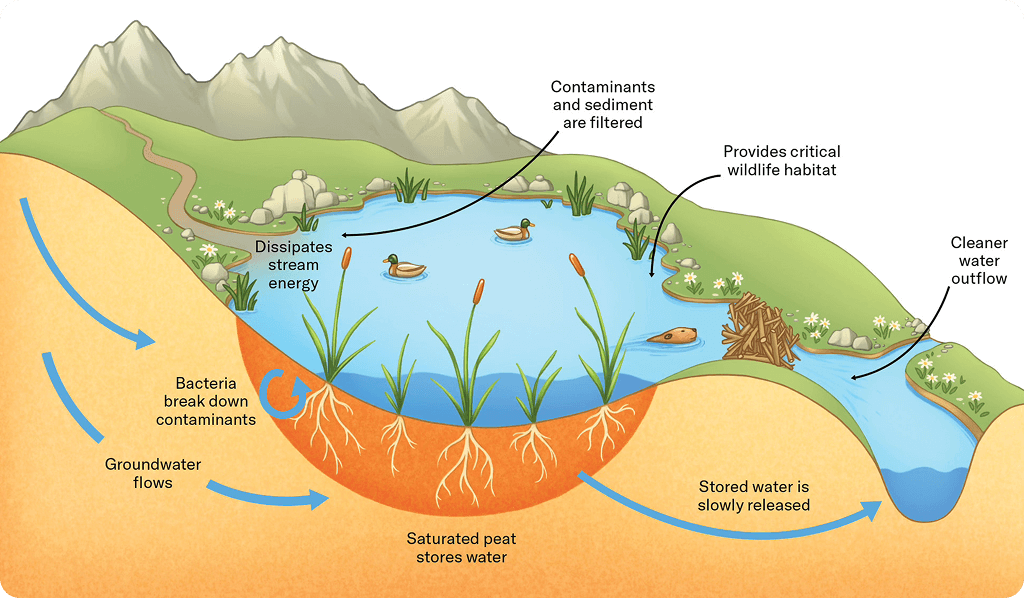
Read Article

C4: After major wildfires, New Mexico foresters aim to produce 5 million 'climate-adapted' tree seedlings annually
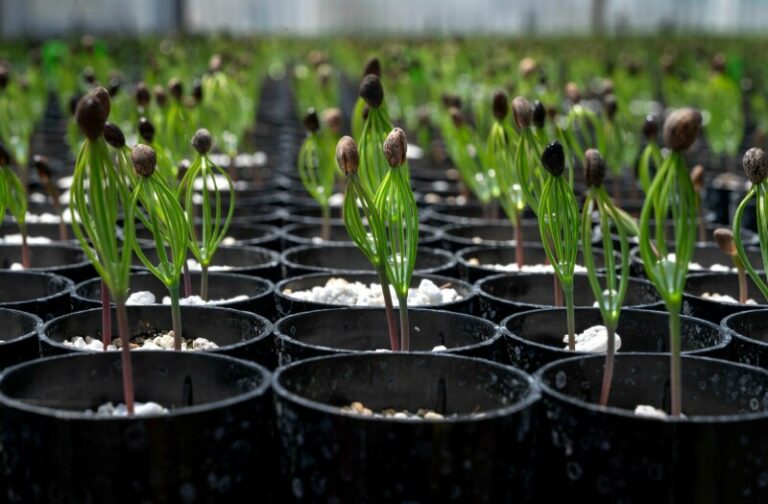
New Mexico Reforestation Center set for April 27 groundbreaking in Las Vegas
Read the story

    C1: Clean up contaminated groundwater sites

    Clean up contaminated groundwater across 15 Superfund sites, hundreds of legacy uranium mining and milling sites, federal facilities (such as Los Alamos National Lab and military institutions), hundreds of petroleum storage tank releases, and up to 200 other pollutant plumes scattered across rural and urban communities where groundwater fails to meet State water quality standards.

    C1: The ROI Goal

    By 2035, average federal and private sector investments in legacy uranium cleanup in New Mexico are 500% of 2023 levels; 30 non-uranium groundwater contamination sites are remediated, of which at least 50% are located in underserved or disadvantaged communities; there are zero active petroleum storage tank sites with human health risk; and all active Superfund sites are on schedule with an approved and funded remediation plan.

    C1: Progress

    C1: Groundwater Cleanup Timeline


    2024

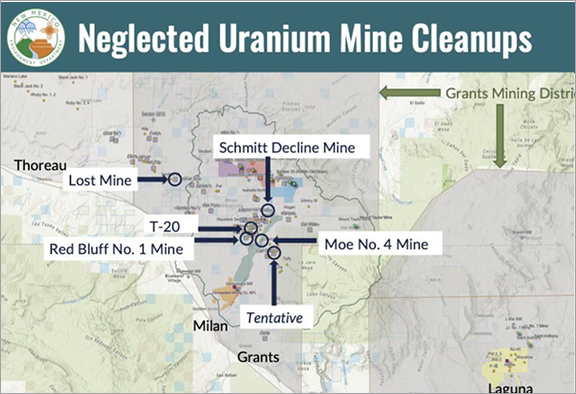
    Developed map of uranium contamination sites.

    2025

    Initiate groundwater cleanup actions at multiple locations.

    2026

    $25 million to continue groundwater cleanup efforts.

    2035

    Investments in legacy uranium cleanup are 500% of 2023 levels. 30 non-uranium groundwater contamination sites are remediated.

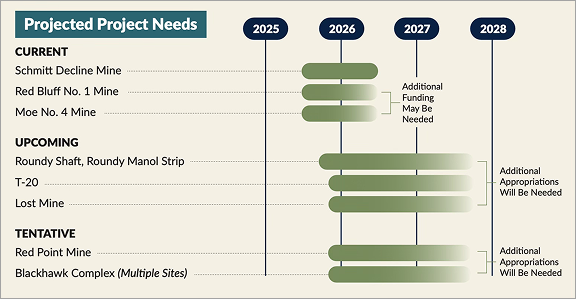
      Projects Underway in 2025 and 2026

      $0

      Spent

      $1,783,339
      Remaining

      $1,419,536
      Encumbered
      total

      Schmitt Decline Mine
      $0

      Spent

      $1,113,970
      Remaining

      $1,200,000
      Planned Total

      (still estimating)
      Red Bluff No. 1 Mine
      $0

      Spent

      $3,763,720
      Remaining

      $4,000,000
      Encumbered
      total

      Moe No. 4 Mine
      Did you know?

      As of 2026, there are over 348 contaminated sites in New Mexico without a responsible party.

      • 302 neglected contaminated sites plus an unknown number of former dry cleaner sites
      • 46 neglected abandoned uranium mine sites

      Immediate Next Steps

      Putting The Plan Into Action

      C1: Clean up contaminated
      groundwater sites

      C2: Protect surface water by controlling pollution through a
      discharge permitting program

      C3: Modernize wastewater treatment plants and storm water infrastructure
      C4: Protect and restore watersheds
      C1:  Clean up contaminated groundwater sites
      C2: Protect surface water by controlling pollution through a discharge permitting program
      C3: Modernize wastewater treatment plants and storm water infrastructure
      C4: Protect and restore watersheds