Water and Watershed Protection
The priority actions set forth in this section highlight four key areas of increased focus that will ensure we are working toward access to clean water for all our communities and prevent certain sources of freshwater from becoming polluted or degraded sacrifice zones. Future generations of New Mexicans and our vibrant agricultural and outdoor recreation sectors depend on New Mexico to protect and restore water quality. As drought intensifies and new water pollutants emerge, we must simultaneously cleanup legacy waste and put strong programs in place to protect healthy watersheds and pristine aquifers through pollution prevention, forestland restoration, and fixing aging infrastructure.
C1
Clean up contaminated groundwater sites
C2

Protect surface water by controlling pollution through a discharge permitting program
C3

Modernize wastewater treatment plants and storm water infrastructure
C4

Protect and restore watersheds
Recent Highlights
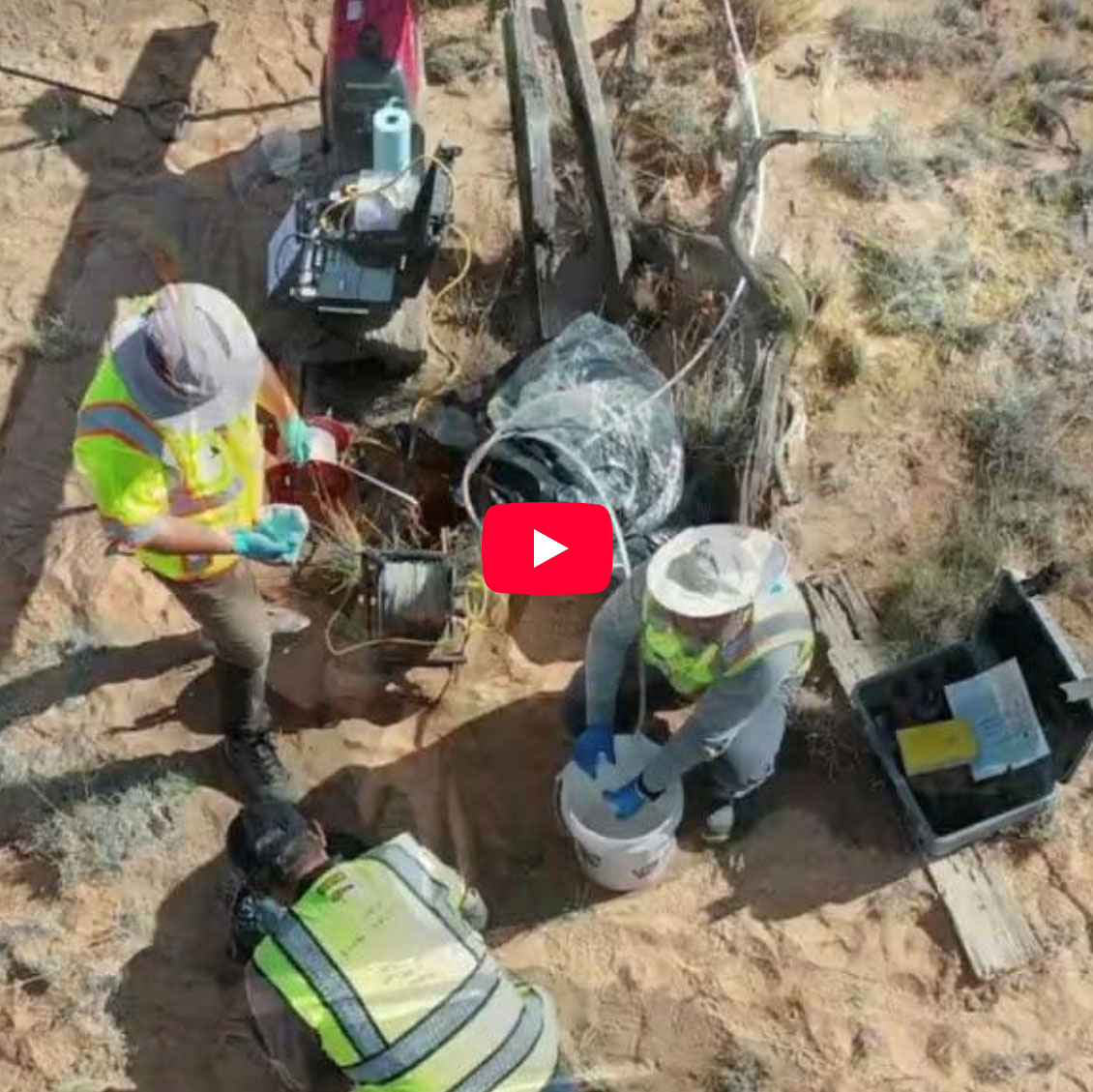
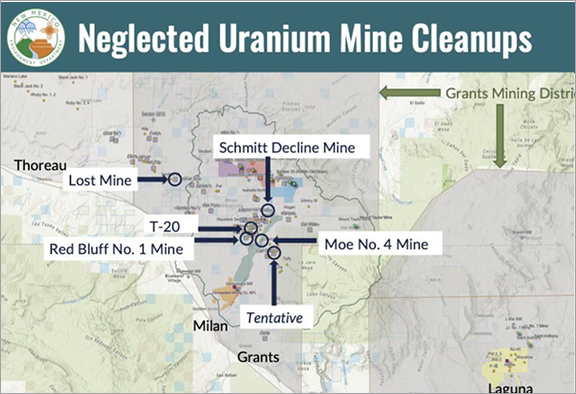
C1: Watch The Kickoff of the New Mexico Uranium Mine Cleanup Program at Schmitt Decline Mine
Watch the Video
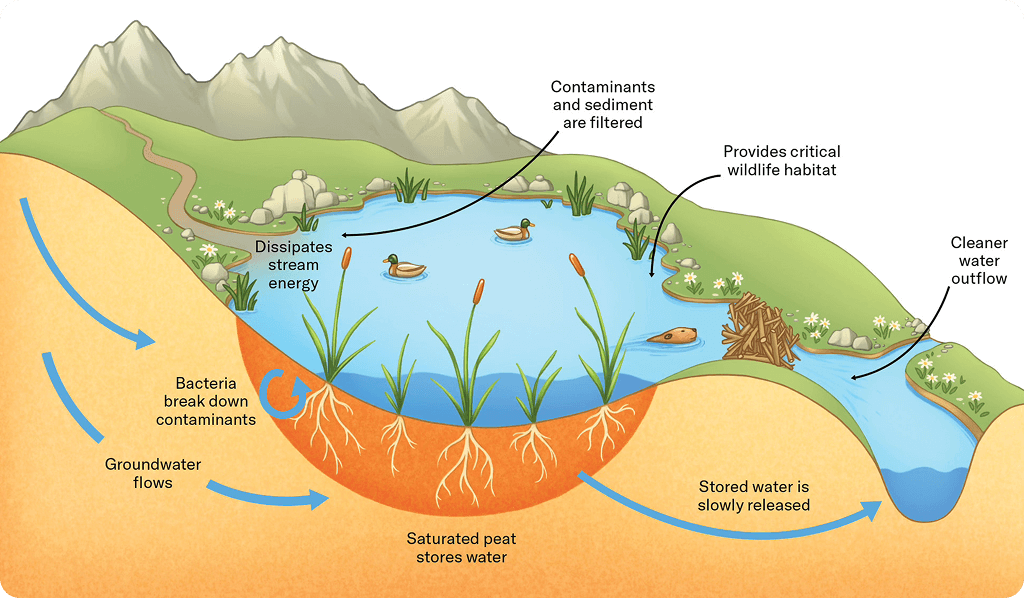
C2: New Mexico Featured in High Country News Article, “Western states step up to save their wetlands”
Read Article
C4: The New Mexico Reforestation Center (NMRC) - A Major Investment in Expanding and Accelerating Reforestation Efforts Across the Southwest
By integrating seed banking, nursery operations, and large-scale planning with research, education, and outreach, NMRC aims to strengthen the reforestation pipeline and serve as a model for other regions. Committed to closing critical gaps in forest restoration, NMRC is focused on ensuring the long-term health and resilience of forested landscapes. As of 2024, the center has secured $41 million in state and federal funding to support the design, construction, and initial operations of its facility, which will be located at the JTH Forestry Research Center in Mora, NM.
Read More
C1: Clean up contaminated groundwater sites
Clean up contaminated groundwater across 15 Superfund sites, hundreds of legacy uranium mining and milling sites, federal facilities (such as Los Alamos National Lab and military institutions), hundreds of petroleum storage tank releases, and up to 200 other pollutant plumes scattered across rural and urban communities where groundwater fails to meet State water quality standards.
C1: The ROI Goal
By 2035, average federal and private sector investments in legacy uranium cleanup in New Mexico are 500% of 2023 levels; 30 non-uranium groundwater contamination sites are remediated, of which at least 50% are located in underserved or disadvantaged communities; there are zero active petroleum storage tank sites with human health risk; and all active Superfund sites are on schedule with an approved and funded remediation plan.
C1: Progress
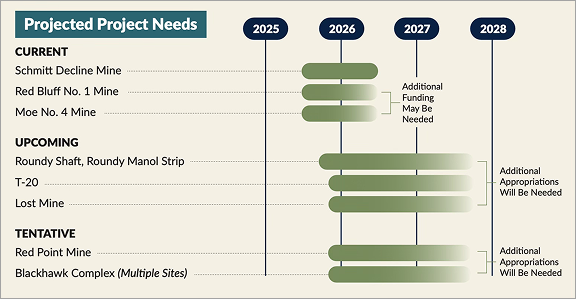
Projects Underway
$0
Spent
$1,783,339
Remaining
$1,419,536
Encumbered
total
Schmitt Decline Mine
$0
Spent
$1,113,970
Remaining
$1,200,000
Planned Total
(still estimating)
Red Bluff No. 1 Mine
$0
Spent
$3,763,720
Remaining
$4,000,000
Encumbered
total
Moe No. 4 Mine
Did you know?
There are over 348 contaminated sites in New Mexico without a responsible party.
- 302 neglected contaminated sites plus an unknown number of former dry cleaner sites
- 46 neglected abandoned uranium mine sites
View a Detailed Map of Formerly Operating Uranium Mine and Mill Sites in New Mexico


Immediate Next Steps
Putting The Plan Into Action
Recent Highlights
A1: New Mexico’s Regional Water Planning Mapping Tool
This tool provides an introduction to water data which incorporates various tried-and-true data sets. It pairs population data from the Census with water data from the New Mexico Water Data Act, and overlays those with Water Use by Categories reports from both 2015 and 2020 (among other data sets).
View data & Stories

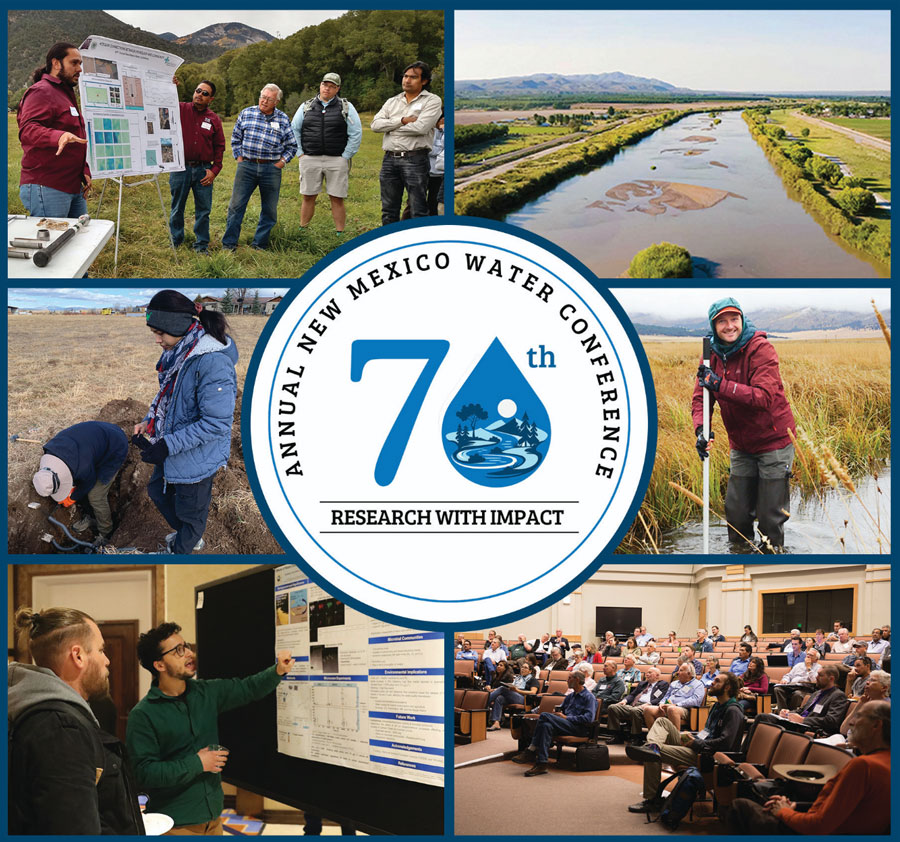
A2: NMSU Holds 70th New Mexico Annual Water Conference
New Mexico state hosted the 70th New Mexico Annual Water Conference from October 21-23, 2025 at the New Mexico Farm and Ranch Heritage Museum in Las Cruces, NM and online. This year’s conference theme was “Research With Impact.”
Read Conference Agenda
A3: New Mexico Supports Local Utilities with an Integrated Innovative Leak Detection Program
New Mexico’s innovative work in leak detection and water conservation featured in the September/October 2025 issue of Rocky Mountain Water (pages 14 & 15).
Read Article
A4: Nichols Dam Rehabilitation Project
Watch Video