Water Conservation
New Mexico’s water conservation traditions have been shaped over the centuries by our Pueblos, Tribes, acequias, agricultural producers, and cities and we rely on those communities to continue to develop innovative ways to conserve water. It is essential that we take action together to preserve and protect the unique traditions we have here in the State while we build a platform for future generations through additional water conservation measures tailored to the changing climate. As the largest water users throughout the State, agricultural producers understand the need to conserve and protect the State’s water resources in order to sustain a vibrant agricultural sector for generations to come. New Mexicans also understand the need to continue to employ water conservation and education to increase positive trends in municipal conservation as our communities grow and freshwater supplies decline. Over the coming decades, through implementation of the actions below and other parallel efforts, New Mexicans will conserve water through broader education on water conservation and actions we can take at home and work to preserve our most precious resource.




Recent Highlights
A1: Main Stream New Mexico Regional Water Planning Campaign
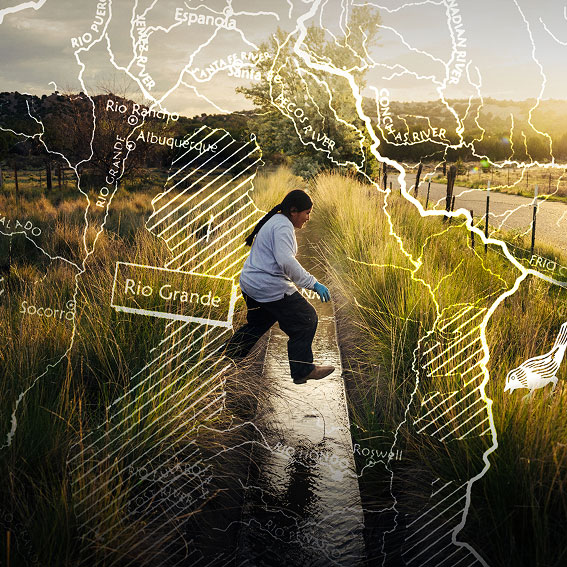
Main Stream New Mexico is a campaign of the New Mexico Interstate Stream Commission Water Planning Bureau. It is a resource for revitalized regional water planning under New Mexico’s Water Security Planning Act of 2023.
Learn More
A2: NMSU Holds 70th New Mexico Annual Water Conference
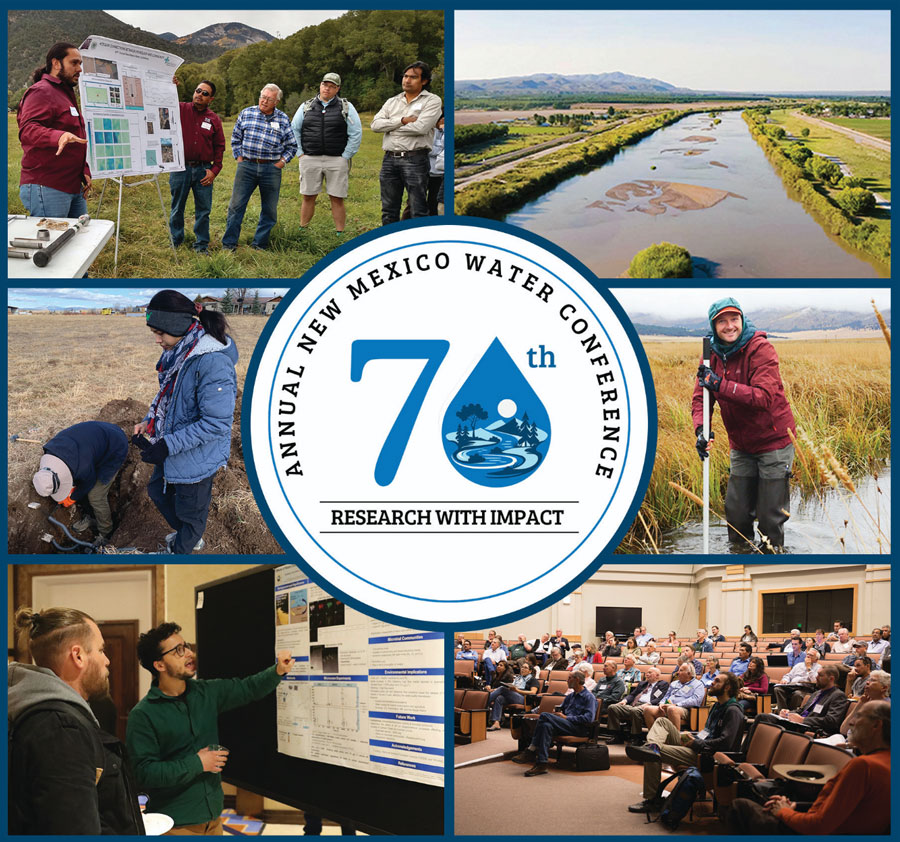
New Mexico state hosted the 70th New Mexico Annual Water Conference from October 21-23, 2025 at the New Mexico Farm and Ranch Heritage Museum in Las Cruces, NM and online. This year’s conference theme was “Research With Impact.”
Read Conference Agenda
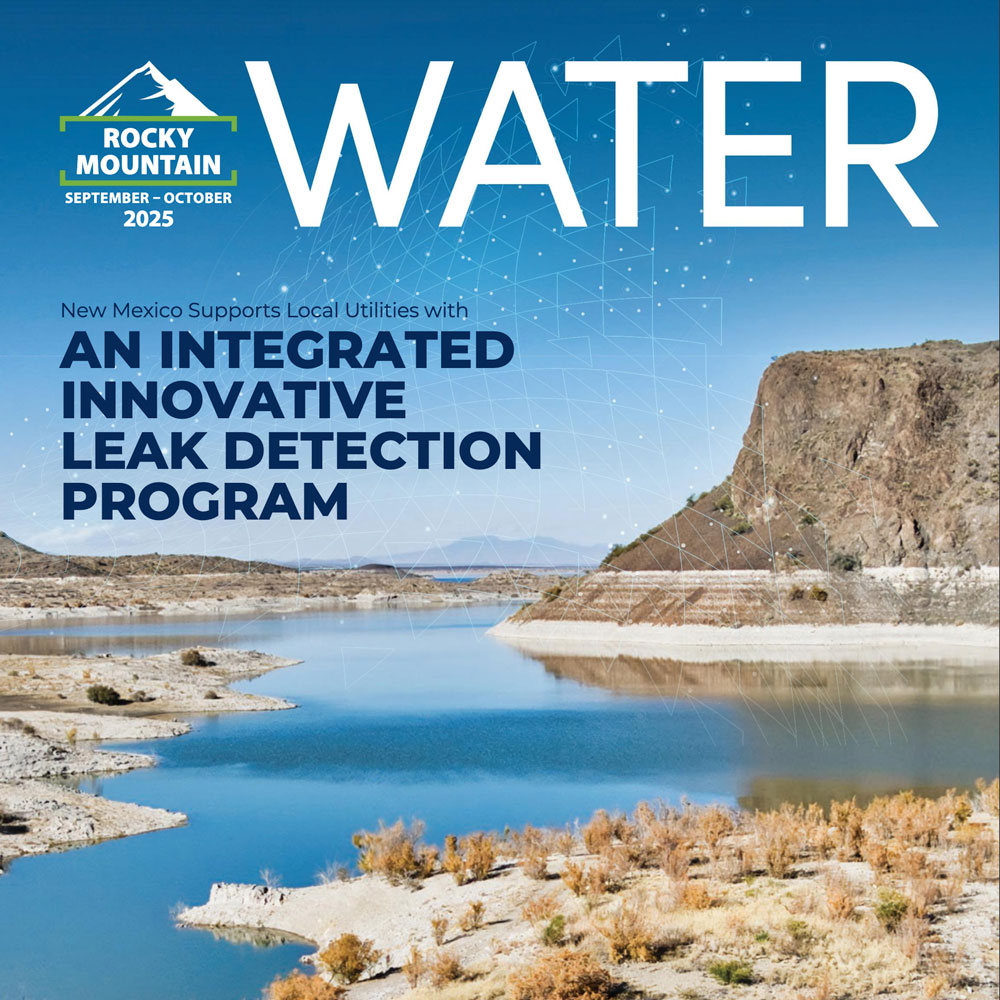
A3: New Mexico Supports Local Utilities with an Integrated Innovative Leak Detection Program
New Mexico’s innovative work in leak detection and water conservation featured in the September/October 2025 issue of Rocky Mountain Water (pages 14 & 15).
Read Article
A4: Nichols Dam Rehabilitation Project
Learn More
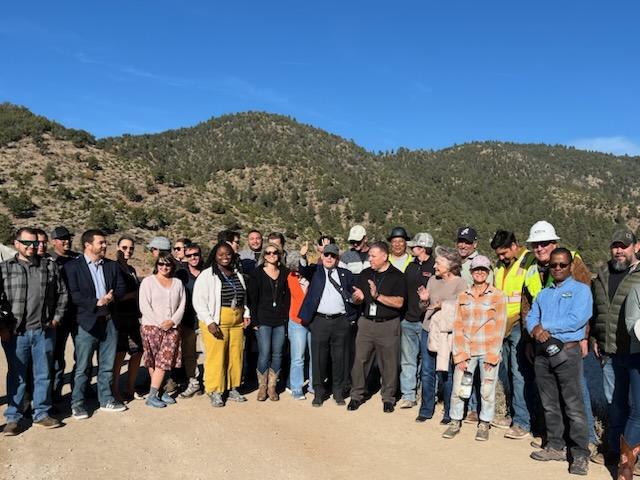
A1: Develop a water education campaign
Develop and implement New Mexico’s Water Education Template (“WET”), a statewide water education campaign, to inform all New Mexicans about the source of their water, what is at stake due to reduced supplies in future years, and how each individual can do their part to conserve.
A1: The ROI Goal
By 2040, decrease water consumption in rural and municipal communities by 10% through the combination of water education, water planning, and local incentives for water conservation at homes and businesses.
A1: Progress
A1: Water Education Timeline
Progress on the conservation and public education goals outlined in A1 can be tracked across four major initiatives.

General Public Education

Public School Education – K-12
Water Workforce Department

Regional Water Planning
Over 3.8M views
Expanding Participation
Explore the Water Facts video series to learn more about water in New Mexico.
Explore New Mexico Water Data